

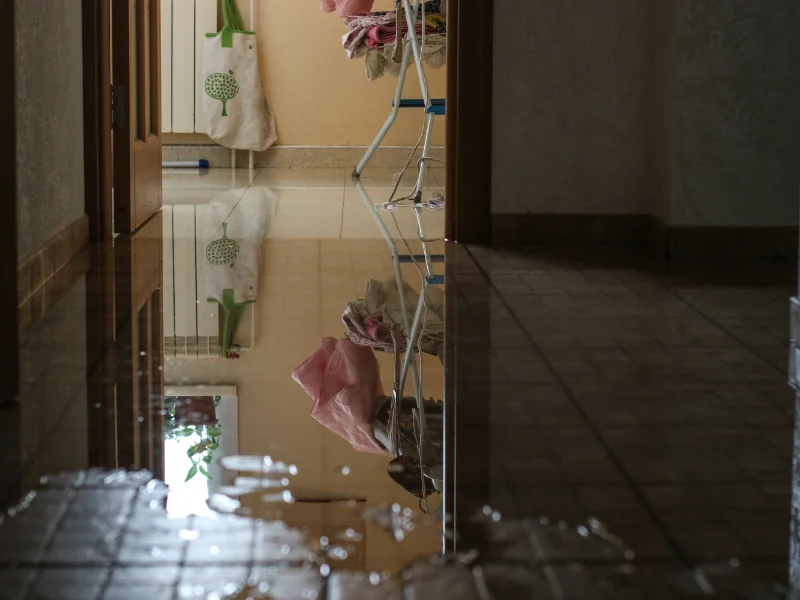
Flooding often occurs during the rainy season, causing destruction that extends well beyond property damage. Rising waters drive pests such as rats, cockroaches, mosquitoes, and flies into homes, where they carry harmful bacteria and viruses. Once inside, these pests multiply in hidden nooks, making infestations difficult to control. Proactive measures are needed to keep them from taking over your living spaces.
When their natural habitats are disturbed, pests seek food and shelter in human dwellings. This leads to contaminated surfaces, insect bites, and fast-spreading germs that threaten your family’s health. Early intervention can prevent these dangers from escalating further.
Get practical tips from Arrow Environmental Services for protecting your home from post-flood pest problems.
How Do Floods Trigger Pest Infestations?
After floodwaters subside, leftover pools of water and piles of debris create an ideal environment for pests. The combination of moisture and decay accelerates reproduction, allowing infestations to develop quickly. Prompt pest control can prevent these problems from escalating and safeguard your home.
Displaced from their natural surroundings, pests often enter homes through cracks, weakened foundations, and damaged vents. Overflowing sewers bring additional pests and bacteria inside. Basements, which remain damp for days, become favorite hiding spots that need careful inspection.
What Are the Most Common Post-Flood Pests?
Flooding displaces pests, sending them searching for food and shelter in human dwellings. Some of the most frequent post-flood pests are:
Cockroaches
Flooded sewer systems often push cockroaches toward human homes in search of safety. They enter through drains and cracks once floodwaters recede, and their ability to survive underwater for long periods increases their chances of thriving. Managing them can be challenging.
Inside, these pests leave behind droppings and germs that contaminate food and surfaces. Children are particularly at risk, as exposure can trigger asthma and allergic reactions.
Mosquitoes
Containers, discarded tires, and low-lying areas that hold water create ideal conditions for mosquitoes to breed. In a matter of days, these sites can turn into swarms because mosquito eggs survive in floodwater. Rapid post-flood cleanup is essential to prevent infestations.
Mosquitoes pose more than an annoyance; they can spread dangerous illnesses, including dengue, chikungunya, and malaria. Protecting your home reduces the risk to your family.
Flies
Following heavy flooding, flies are drawn to leftover garbage and rotting matter, where they lay eggs and reproduce quickly. The damp mess left behind supports their fast growth.
As they travel between trash and household spaces, flies carry bacteria that contaminate surfaces and food, posing a threat of stomach infections and other illnesses.
Rats
When floods rise, rats are forced out of their burrows and into human dwellings, seeking sustenance and safety. They are incredibly resourceful and can squeeze through openings no larger than a coin. This resilience allows them to establish themselves quickly in homes after flooding.
Once indoors, rats contaminate food and surfaces with urine and droppings that harbor bacteria. They can transmit dangerous diseases like leptospirosis and hantavirus, making immediate pest control critical.
What Dangers Do Flood Pests Pose to Your Family?
After floodwaters recede, the lingering debris and dampness create ideal conditions for pests to thrive, increasing the risk of illness in homes. Some of the primary health hazards associated with post-flood pests include:
- Mosquito-Borne Diseases: Spread through bites from mosquitoes, including inland floodwater species, and can result in illnesses such as dengue and malaria.
- Leptospirosis: Transmitted via contact with rat urine, contaminating surfaces and water.
- Respiratory Problems: Caused by exposure to mold and pest droppings in damp or poorly ventilated areas, which may worsen breathing difficulties.
- Diarrhea & Cholera: Result from germs spread by flies and contact with contaminated water.
How Do You Get Your Home Ready for Flooding?
Floodwaters increase the risk of pests invading your home. Use these tips to protect your home and basement from post-flood infestations:
- Secure Food: Keep all food in airtight containers to prevent contamination and make your home less attractive to pests.
- Yard Maintenance: Clear away debris, unclog gutters, and maintain a tidy yard. This limits mosquito breeding areas and reduces rodent nesting sites near your home.
- Pest Inspections: Arrange a pre-flood inspection with a pest control professional. Early detection and treatment can help prevent infestations before they begin.
- Elevate Belongings: Lift furniture, electronics, and other valuables off the floor. Elevating items decreases hiding spots for pests and lowers the chance of infestations.
- Seal Openings: Make sure all doors, windows, vents, and cracks are properly closed or sealed. This stops pests from entering as floodwaters rise.
How Do You Protect Your Home After a Flood?
After floodwaters recede, taking immediate action can prevent pests and bacteria from spreading. Follow these steps to safeguard your home from infestations and contamination:
- Clean Immediately: Remove mud, leftover food, and debris that could attract cockroaches and flies. Thoroughly disinfect all surfaces that came into contact with floodwater to minimize bacteria and contamination risks.
- Rat and Cockroach Control: Seal any cracks or holes in your foundation and basement to prevent pests from entering. Keep exposed food stored or remove it entirely to make your home less inviting to rats and cockroaches.
- Mosquito Control: Eliminate standing water as soon as possible to prevent mosquitoes from breeding. Clear clogged gutters, treat damp basement areas, and use mosquito screens or bed nets to protect living spaces.
- Deal With Flies: Dispose of trash daily and ensure bins are securely closed. Set up fly traps if needed and safely remove or destroy any decaying organic material.
Stay Ahead of Flood Pests with Arrow Environmental Services
Ongoing pest activity, rat droppings in multiple areas, or swarms of mosquitoes even after thorough cleaning are clear signs of a worsening infestation. These indicators mean pests have firmly established themselves and are reproducing rapidly. Ignoring these signs can allow the problem to escalate, causing more damage and health risks. Immediate professional intervention is critical to halt their spread.
Arrow Environmental Services provides expert pest control and prevention services. Our team inspects your property, applies precise treatments, and monitors the situation to protect your home and family during flood recovery. You can rely on us to address even the most stubborn infestations.
Schedule your inspection with Arrow Environmental Services today and secure efficient, expert pest removal.