Recognizing drywood termites early is key to stopping them in their tracks. Keep an eye out for swarming insects, tiny pellets, or wood that looks bubbled or blistered. Knowing these warning signs can help you catch an infestation before it causes serious harm to your property.
With over 68 years of experience in termite control, we’ve seen how drywood termites can turn a dream home into a costly nightmare if left unchecked.

Leave your information below and we’ll be in touch shortly. After hours calls will be returned the next business day.
What Exactly Are Drywood Termites?
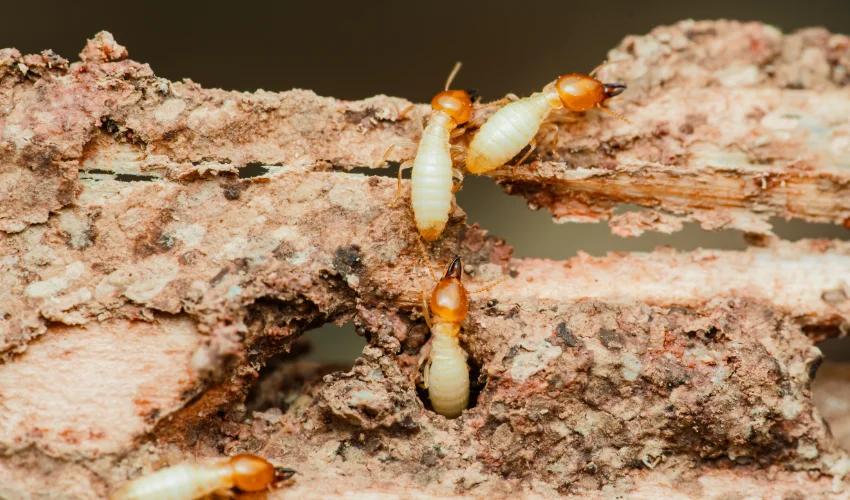
Drywood termites are elusive pests that nest inside dry, untreated wood, no soil contact needed. Unlike subterranean termites that depend on moisture from the ground, drywood termites survive by extracting water from the wood itself. This means your roof beams, hardwood floors, or even wooden furniture could be at risk.
These termites come in various sizes based on their roles within the colony. Soldier termites, which defend the colony, are around three-eighths of an inch long, while the reproductive termites, responsible for starting new colonies, are about half an inch. Their color ranges from pale brown to yellowish or even darker shades.
Drywood Termites vs. Subterranean Termites: What’s the Difference?
The main difference lies in their habitat and survival needs. Subterranean termites require contact with soil and a moist environment, often building mud tubes to reach your home’s wood. Drywood termites, however, live entirely inside dry wood above ground and don’t need any soil connection.
While subterranean termites usually enter through your foundation, drywood termites can fly straight into your attic vents or sneak in through tiny cracks around windows. This means they can infest any dry wood area in your house, from attic rafters to your wooden furniture.
Another difference is how they feed. Drywood termites tunnel across the wood grain, eating both soft and hard wood layers and leaving behind smooth galleries that can seriously compromise structural integrity.
Schedule Now!
Leave your information below and we’ll be in touch shortly. After hours calls will be returned the next business day.
Signs You May Have Drywood Termites in Your Florida Home
- Swarms of winged termites flying around your home, which means a colony is already established nearby.
- Tiny “kick-out holes” in wood where termites push out their droppings. These pellets resemble small grains of rice and often accumulate beneath infested areas.
- Wood that appears blistered or swollen, or hollow sounds when you tap on it. Sticking door frames and windows that don’t close properly can also indicate termite damage.
Drywood termites are masters at hiding, working silently inside the wood for years before visible signs appear. That’s why routine professional inspections are crucial to catching them early.
Can Drywood Termites Be Eliminated?
Drywood termites are tough to eradicate because they live deep inside wood, often inside walls or attic beams that are hard to reach. Simply spraying the surface won’t solve the problem.
Since they don’t need soil, drywood termites can establish multiple colonies throughout your home, making treatment more complex.
What’s the Most Effective Treatment for Drywood Termites?
Treatment depends on how severe the infestation is and where it’s located.
For small, localized infestations (like those confined to a piece of furniture or a door frame) targeted treatments such as injecting termiticides or using specialized foams can be effective.
If the infestation is widespread, fumigation is usually the best choice. Though it means temporarily vacating your home, fumigation ensures the gas reaches deep inside every wooden structure, eliminating termites that sprays or injections can’t touch.
At Arrow Environmental Services, we’re always ready to help you with your pest control needs. Contact us for a free, no obligation quote, or call us at 800-226-3139 to get started today.
Leave your information below and we’ll be in touch shortly. After hours calls will be returned the next business day.
Our Drywood Termite Control Strategy
We start with a thorough inspection of your entire property, checking all potential entry points and hidden spots, from exposed beams to less obvious areas behind wall hangings.
After assessing the damage, we develop a customized plan tailored to your infestation. For minor cases, spot treatments may suffice, but for extensive infestations, we recommend fumigation for complete eradication.
Our service doesn’t stop once the termites are gone. We schedule follow-up visits to confirm success and monitor for any signs of reinfestation. Plus, we provide guidance on protecting your home long-term by sealing entry points and reducing conditions that attract termites.
Trust Arrow Environmental Services to Safeguard Your Florida Home
Choosing a pest control company can be overwhelming, especially when termite damage is already a concern. Homeowners rely on us because we’re dedicated to keeping pests out and protecting their most valuable asset: their home.
Don’t let drywood termites eat away at your home’s value or your peace of mind. The sooner you take action, the less damage they can cause. Contact us today for a professional termite inspection and keep your Florida home safe and sound.