
Florida Lawn Care – Key Takeaways
- Water deeply and infrequently (1–2 times per week) between 4 AM and 8 AM to encourage deep root growth and prevent fungal diseases caused by overnight moisture.
- Adhere to the “one-third rule” by never cutting more than a third of the grass blade at once, keeping it taller to resist pests and protect the root system.
- Conduct soil pH tests and aeration in late February or early March to ensure the lawn has the correct nutrient balance before the peak growing season.
- Monitor consistently for Florida-specific pests like chinch bugs and sod webworms, as early detection is critical to stopping rapid lawn destruction.
- Reduce watering and skip nitrogen-heavy fertilizers during the winter to prevent “lazy” growth and fungal outbreaks during the cooler months.

How Do You Get a Beautiful Lawn in Florida?
Florida homeowners often realize that keeping their lawns in excellent shape takes more work than expected. This is due to our climate, variety of lawn pests, and prevalence of lawn diseases and fungi. While keeping grass lush and green can be tricky, but the payoff makes it worthwhile. A happy and healthy lawn increases your home’s curb appeal, and it creates a pleasant environment for kids, pets, and anyone who enjoys relaxing in the front or backyard.
Arrow Environmental Services has decades of experience helping Florida homeowners get the most out of their lawns – and we can help you do the same. Keep reading this comprehensive guide to Florida lawn care for actionable tips – or give us a call for stress-free professional lawn care for your home.
What Factors Contribute to a Healthy Lawn?
What goes into a healthy and beautiful lawn? It’s way more than just water and sunlight. It’s a lot! If you want your lawn to look its best, you should have a plan for each of these individual factors that can either promote or stifle its growth:
- Watering schedule: Did you know it’s possible to water your lawn too little or too much? In fact, far more houses overwater their grass than underwater it.
- Soil pH balance: An oft-overlooked part of lawn maintenance, the pH level of your soil has a direct impact on which grass species to grow, and which products to help it grow.
- Fertilization: Vibrant and healthy grass often requires extra nutrients in the form of fertilizer.
- Mowing requirements: It’s important to know when to mow your lawn – and how far down to cut it.
- Seasonal upkeep: Although winters here are mild, your lawn still requires seasonal adjustments to stay in shape.
- Detecting diseases and fungus early: Watch for brown spots or fungal growth and address any problems before they spread.
- Managing pests: Florida’s warm climate attracts plenty of lawn pests, making regular monitoring and control efforts especially important.
What’s the Right Way to Water Your Lawn?
You don’t want to overwater or underwater your lawn. Doing either can lead to long-term suboptimal growth, leaving your lawn weakened and vulnerable.
The key is finding the sweet spot. We recommend:
- Deep, infrequent watering. By delivering a generous amount of water less often, you encourage the plant to send its roots deep into the soil profile in search of moisture. This development of sturdy, extensive root systems is vital for overall plant vigor, drought tolerance, and nutrient uptake.
- Avoid shallow watering: If you water every day for five minutes, you’re just training your grass to be “lazy” with shallow roots that fry the moment the sun gets hot.
- Aim for water to penetrate about 6-8” deep in the soil: This is the ideal root zone.
- Once a week is usually enough in the spring and fall: Monitor your grass and if it appears overly dry or stressed, you can water it again.
- Twice a week is typically the right amount in the summer: If you’re in the midst of a heatwave, you might go up to three times a week
- Water your lawn between 4 AM and 8 AM: It’s cool enough during these hours that the water won’t evaporate quickly; yet it’s warm enough that the rising sun will dry grass blades, helping prevent fungal diseases.
- Avoid watering at night: This leaves grass and soil soggy, inviting Brown Patch and other diseases.
Before Spring Lawn Maintenance Tips
In Florida, spring gets here in a hurry. That’s why it’s important to start your lawn maintenance a little bit before spring – by late February or early March, when the weather starts shifting. You should do the following:
- Clear out debris: Fallen leaves, broken branches, and leftover clutter around the yard can hold moisture and create perfect pest hideouts, which could also promote fungus development. Be sure to bag it all up or have it hauled away to keep things tidy.
- Dethatch when needed: A little bit of thatch is fine, but more than half an inch of that dead grass layer can trap moisture and invite lawn pests. Use a thatching rake or dethatcher.
- Test your soil: Soil that’s out of balance, whether it’s nutrients or pH, can leave your grass weak and vulnerable. Grab a soil testing kit or probe from a garden center, follow the instructions, and adjust based on your results.
- Aerate if needed: When soil gets compacted, it blocks air and water from reaching the roots. Lawn aeration, a technique to poke holes into the lawn, can fix this and help your grass grow strong.
- Watch for early pest clues: Florida pests start waking up in early spring. Keep an eye out for signs of raised tunnels or small mounds, which could mean grubs or mole crickets are already on the move. Catching them early can make all the difference.
- Pre-emergent weed control: Consider a pre-emergent herbicide to stop weeds like crabgrass before they sprout. Weeds stress your lawn, making it more inviting to pests.
Springtime Lawn Care Checklist
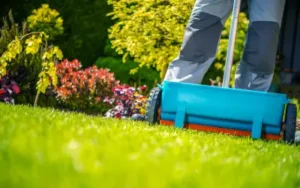 Florida’s warm climate keeps lawn pests active for much of the year, so staying ahead of them consistently is necessary. After tackling early spring tasks, revisit your lawn care routine about four to eight weeks later with these mid-spring strategies for preventing pests:
- Mowing matters: Resume regular mowing, but don’t cut it too short. Make sure you’re mowing the right way.
- Fertilize based on soil needs: Use your soil test results to guide fertilizer choice. A healthy, well-fed lawn can hold up better and stresses like pests, heat, and fungus.
- Grub control if needed: If grubs have given you trouble in previous seasons, apply a preventative grub treatment now. These root-feeding insects can kill off large patches of grass if you don’t remove them.
- Monitor for chinch bugs: St. Augustine grass is especially vulnerable. Keep an eye out for sun-exposed areas that start to yellow or turn brown, as this could be a sign of chinch bugs moving in.
- Scan for sod webworms and armyworms: Brown patches and chewed grass blades are common signs. Regular checks can help you act fast before the damage spreads.
How Do You Mow Your Grass Properly?
Cutting too low can weaken the grass.
Stick to the “one-third rule”, never remove more than one-third of the grass blade at a time. If you have St. Augustine grass, keep it on the taller side to help resist chinch bugs.
Common Florida Lawn Diseases
You need to know that Florida‘s unique climate presents both opportunities and challenges for lawn care. While our sunshine and warmth can promote rapid growth, they also create ideal conditions for pests and diseases. So watch out for:
- Leaf spot
- Brown patch
- Pythium blight
- Dollar spots
- Root rot
- Red thread
Common Florida Lawn Pests
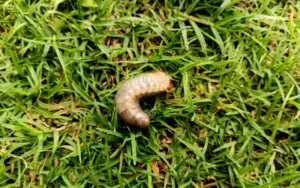
Florida‘s warm climate is a haven for various lawn pests, including:
- Chinch bugs
- Sod webworms
- Fire ants
- Armyworms
- Mole crickets
- Cutworms
- Grubs
- Spittlebugs
- Bermudagrass mites
Wintertime Florida Lawn Tips
Once winter rolls around, your lawn needs a lot less attention. Here are the key things to know:
- Water Less: Switch to once every 10–14 days. Overwatering in winter causes fungus. If you use a sprinkler system, turn off the auto-timer; only water if the grass looks wilted or stays flat when stepped on.
- Mow High: Keep your mower on the highest setting to protect the root system from cold.
- Mow Less: You’ll likely only need to cut the grass every 2–3 weeks.
- Skip Nitrogen: Do not use high-nitrogen fertilizer; it forces new growth that will die in a freeze. You may consider a high-potash “winterizer” to strengthen roots against temperature drops.
DIY Lawn Care vs Hiring a Professional
While DIY lawn care might seem cost-effective, it often leads to frustration, wasted time, and subpar results. Florida‘s unique lawn care challenges require specialized knowledge and equipment.
You may find yourself spending more in the long run on ineffective products and tools, not to mention the opportunity cost of spending weekends battling lawn issues.
In general, we say that if you want your lawn to look decent, DIY lawn care is fine. It can still be a lot of work. If you want your lawn to look great, professional lawncare is the way to go.
Thinking About DIY Pesticides or Insecticides?
We recommend avoiding them. Many over-the-counter lawn treatments can harm your grass or nearby plants if not used correctly.
If pest problems get to the point where you’re considering DIY chemicals, it’s time to bring in the professionals. Our licensed technicians know where to target treatments for the best results, while minimizing the chance of harm to people, pets, or plants.
Lawn Care Services for Florida Homeowners
At Arrow Environmental Services, we bring over 68 years of local experience and professional-grade equipment to every job. Our comprehensive lawn care services save you time and effort while enhancing your property’s value and your overall enjoyment of your new Florida home.
So are you ready to transform your lawn into a lush, green oasis? Call us today and see how we can give you the healthy, vibrant, beautiful lawn you’ve always wanted.