A tick resting on a plant leaf. Find out which states have the highest tick activity with this list from the tick control experts at Arrow Environmental Services.

What States Have the Highest Tick Activity?

What States Have the Highest Tick Activity?

Ticks are found throughout the United States and can create problems in many different environments. Their presence is not limited to one area, and activity can increase wherever conditions support their survival. At , we often remind people that tick exposure is possible in both natural and maintained outdoor spaces. Several factors contribute to higher tick risks in certain locations. Multiple species may be present, along with vegetation, wildlife hosts, and suitable places to live and reproduce. Properties in and similar areas can experience increased tick populations when these conditions come together. Working with a professional tick exterminator ensures that your property is treated safely and thoroughly to minimize the threat of tick-borne illnesses.

Top 5 States with the Highest Tick Activity

  • California: Known for very high tick numbers, especially the Western deer tick, which is common in coastal and wooded regions.
  • Florida: Warm temperatures and high humidity throughout the year allow species such as the American dog tick to remain active and reproduce continuously.
  • Texas: Its size, diverse terrain, and consistently warm climate make it a key area for multiple tick species and sustained tick activity.
  • Pennsylvania: Frequently reports some of the highest Lyme disease case numbers, supported by dense populations of black-legged ticks.
  • New York: Regularly experiences significant tick activity, with ongoing concerns involving Lyme disease and other tick-borne illnesses.
Yes, unfortunately, has a significant tick presence, including species known to spread harmful diseases. This makes the risk of tick bites and related infections higher here than in many other areas.

Which States Face the Greatest Risk from Lyme Disease Ticks?

Lyme disease has been identified across most of the United States and remains one of the most concerning tick-borne illnesses. It is transmitted by deer ticks, which live in many different environments and can come into contact with people in both residential and natural settings. The widespread presence of these ticks means exposure is possible in many areas. According to the Centers for Disease Control and Prevention, certain parts of the country consistently report higher numbers of Lyme disease cases than others. These areas tend to have established tick populations and conditions that support their survival. The following list highlights the states with the most reported cases of tick-borne Lyme disease: 
  • Washington, D.C.
  • Pennsylvania
  • New Jersey
  • New York
  • Connecticut
  • Delaware
  • Maine
  • Maryland
  • Massachusetts
  • Minnesota
  • New Hampshire
  • Rhode Island
  • Vermont
  • Virginia
  • West Virginia
  • Wisconsin
Although is not ranked among the highest risk areas for Lyme disease, ticks capable of carrying harmful illnesses are still present. Residents should remain aware and take preventive steps, especially when spending time outdoors in grassy or wooded areas.

Which States Are Most Affected by Heartland Virus-Carrying Ticks?

Spread by the Lone Star tick, Heartland virus is a relatively new health concern. Symptoms often include fever, fatigue, reduced white blood cells and platelets, and occasional liver issues. Awareness has grown as more cases are identified. Although infections are uncommon, Heartland virus has appeared in multiple locations. The states where cases have been reported include:
  • Virginia
  • Arkansas
  • Georgia
  • Illinois
  • Indiana
  • Iowa
  • Kansas
  • Kentucky
  • Missouri
  • New York
  • North Carolina
  • Oklahoma
  • Pennsylvania
  • Tennessee
Even though is not one of the states with the highest number of Heartland virus cases, the Lone Star tick is present locally and can still pose a risk. Residents should remain vigilant and take precautions when spending time outdoors.

Which States See the Most Cases of Alpha-gal Syndrome Ticks?

Alpha-gal syndrome is a severe allergy triggered by Lone Star tick bites. People bitten by ticks carrying the alpha-gal molecule can develop severe reactions to red meat, and reports of the condition are increasing as tick populations expand. In certain areas, the number of reported or suspected alpha-gal cases is especially high, signaling a growing public health concern. Protective measures and awareness are critical as exposure risk continues to rise. The states with the most reported alpha-gal syndrome cases are:
  • Virginia
  • Arkansas
  • Delaware
  • Illinois
  • Indiana
  • Kansas
  • Kentucky
  • Maryland
  • Missouri
  • Mississippi
  • North Carolina
  • Oklahoma
  • Tennessee
Although is not a hotspot for alpha-gal syndrome, Lone Star ticks are found here and can still pose a threat. Practicing preventive measures outdoors is important to reduce the chance of developing the syndrome.

Which States Have the Fewest Ticks?

Areas with relatively few ticks and low numbers of tick-borne illnesses tend to have dry conditions, limited forested regions, or geographical isolation that makes tick populations smaller. These factors help reduce tick encounters. However, it’s important to remember that ticks exist in every state. Even states with low numbers of ticks can have occasional sightings. The top 10 U.S. states with the fewest ticks are:
  • Hawaii
  • Alaska
  • Arizona
  • Colorado
  • Idaho
  • Montana
  • Nevada
  • North Dakota
  • Utah
  • Wyoming
Ticks capable of transmitting disease may still be present in these locations, especially in forested or foothill environments. It’s always important to be vigilant, perform tick checks after being outdoors, and watch for signs of illness following a bite.

Why Are Tick-Borne Illnesses a Concern in ?

Ticks are a serious concern in due to several environmental and ecological factors. Their presence here increases the risk of tick-borne illnesses for both residents and pets. Here are the key factors that make ticks particularly hazardous in :
  • Year-Round Warm and Humid Climate: ’s consistently warm temperatures and high humidity create ideal conditions for ticks to survive, reproduce, and remain active throughout the year.
  • Diverse Tick Species:  is home to multiple species of ticks, including the Lone Star tick, American dog tick, and deer tick, each capable of carrying different diseases.
  • Abundant Wildlife and Vegetation: Dense forests, grassy areas, and abundant wildlife such as deer, raccoons, and rodents provide ideal hosts and habitats for ticks, increasing the likelihood of human exposure.
Ticks are a serious risk in , so vigilance is key. Always examine yourself, your kids, and your pets for ticks after outdoor activities, especially when exploring wooded or grassy areas during the summer months. The following tick species are widespread in :
  • Deer Tick: One of the most common and potentially dangerous ticks. It is known to transmit Lyme disease, Anaplasmosis, Babesiosis, and other illnesses.
  • Lone Star Tick: Originally native to the South, this tick is expanding its range rapidly. It can transmit Alpha-gal Syndrome (a red meat allergy), Ehrlichiosis, Southern Tick-Associated Rash Illness (STARI), Tularemia, Heartland Virus, and more.
  • American Dog Tick: A significant carrier of Rocky Mountain Spotted Fever (RMSF) and Tularemia, making it a serious concern for human and animal health.

Can Shield Your Property from Ticks

Ticks pose a serious threat across the United States, and in , both tick activity and tick-borne illnesses are particularly high. You can lower your risk by keeping your yard free of debris that attracts ticks and by contacting our tick control experts to establish a tick-free perimeter around your property. For more than years, has been the trusted choice for families seeking protection from ticks. We are committed to keeping your home and yard safe, and you can rely on us to provide the same expert service for you. Protect your loved ones and property from tick threats. Contact  now for a complimentary estimate.
Florida house before wildlife control services

How to Get Ready for Wildlife Control

How to Get Ready for Wildlife Control

Key Takeaways:
  • Sharing details about strange odors and sounds helps technicians pinpoint the animal species faster.
  • Procrastinating on wildlife issues allows damage to compound, leading to significantly higher restoration costs.
  • DIY attempts often fail; professional services rely on certified techniques and industrial-grade barriers.
  • The most critical step for permanent results is exclusion—blocking all potential access points.
  • True resolution involves repairing structural havoc and sanitizing areas contaminated by animal waste.
When wildlife breaches your home, immediate eviction is usually the top priority. At , our specialists are equipped to remove these intruders safely and efficiently. However, the speed and success of the removal often depend on how well we work together. View wildlife removal as a joint effort: we bring the licensing and the heavy-duty equipment, but you possess the daily knowledge of your property. We have created this practical guide on how to prepare for professional wildlife control in . This resource outlines what you can expect during the service and the proactive steps you can take to assist our team in solving your pest problem permanently.

How Can You Help Your Wildlife Control Specialist Succeed?

Successfully evicting nuisance animals involves more than dropping a cage; it is a strategic process of diagnosis, extraction, and prevention. While we tackle the hazardous work in the heat and tight spaces, your observations can fast-track our initial assessment. Here is how you can help a wildlife control professional secure your home.
  1. Inspect your residence for indicators of activity.

If you suspect an animal has taken up residence, do a little detective work before we arrive. Wildlife is rarely subtle. Perform a quick sweep of your interior and exterior to catch these common warning signs:
  • Strange Noises: Scratching sounds in the ceiling, heavy footsteps in the attic, or rustling in the fireplace.
  • Property Damage: Torn insulation, gnawed wood, or damaged screenings.
  • Breach Points: Look for bent soffit vents, holes in the fascia, or separation in the siding.
  1. Note details to help us identify the intruder.

Knowing exactly what animal we are up against allows us to bring the right tools for the job. Different species require specific removal tactics. To help us identify the culprit, try to record:
  • Time of Day: Are the disturbances occurring at night (nocturnal animals like raccoons) or during the day (diurnal animals like squirrels)?
  • Biological Evidence: The size and shape of droppings are key identifiers. If accessible, snap a picture for your technician.
  • Scent: Distinct odors can betray the animal’s identity. Rodents often emit a sharp, ammonia-like smell, while others may leave a heavy musk.
  1. Contact us to arrange a detailed inspection.

Once you spot a sign (or simply have a bad feeling), contact . Wildlife issues do not vanish on their own; they escalate, becoming more expensive to fix as time goes on. Avoid the risk of injury or disease by letting our professionals manage the situation. We utilize specialized training and local knowledge of to gauge the extent of the infestation. Even if you cannot identify the animal, we will uncover the truth.
  1. Compile a report of your observations.

Think of your observations as a shortcut for our team. Upon our arrival, explain exactly where the noises are concentrated and how frequently they happen. This intel helps us locate the nesting zone quickly, minimizing the time we spend scouring your crawlspace or attic.
  1. Let the experts perform a full property audit.

Now, takes the reins. We will conduct a comprehensive examination of your home, from the roofline to the foundation, to find the animals and their entry routes. We will explain the potential risks, outline the removal timeline, and answer your questions. You will then receive a detailed quote and a clear action plan, ensuring total transparency.
  1. Select your solution and let us execute it.

After the audit, we will share our findings and present the best options for your specific situation. Whether the job requires one-way doors, live trapping, or manual removal, we customize the strategy to fit your home. Once you approve the plan, we immediately get to work securing your property.
  1. Exclusion: Seal all potential access points.

"Exclusion" is the professional term for rodent and wildlife-proofing. Our exclusion experts use high-quality materials to seal entry points, ensuring animals cannot force their way back in. We install heavy-duty guards over vents, chimneys, and construction gaps. Why use professional-grade materials? determined wildlife can chew through standard plastic or wood. Our barriers are rust-resistant and chew-proof, ensuring that once the animals are out, they stay out.
  1. Repair damage caused by the infestation.

Nuisance wildlife can degrade a home’s structure in a surprisingly short time. They soil insulation, chew through electrical wires (a major fire hazard), and ruin drywall. At , we don’t just catch the animal and leave. We repair the specific entry points and internal damage to restore the integrity of your home, preventing issues like water intrusion and energy inefficiency.
  1. Sanitize the area and replace contaminated materials.

Animals leave behind more than just physical damage; they leave biohazards such as urine, feces, and nesting debris. These materials can spread bacteria and mold spores throughout your home. We clean and decontaminate the affected zones, removing soiled insulation and replacing it to ensure a safe environment.
  1. Activate a Renewable Wildlife Warranty.

We stand behind our results. When you partner with , you are covered by our Renewable Wildlife Warranty. If wildlife breaks through our repairs, we return to fix the problem. This warranty protects your investment and turns your home into a fortress against future pests.

Ready for a Wildlife-Free Home? Contact Our Control Experts

Your home should be your sanctuary, not a shelter for local critters. If you hear bumps in the night or see torn vents, do not wait for the problem to escalate. Partner with the team that trusts for effective and humane wildlife control. Contact today. Let’s fortify your home, protect your family’s health, and solve your wildlife problem for good.
A residential neighborhood in Florida flooded with high waters.

Pest Prevention for Homes Before and After Floods

Pest Prevention for Homes Before and After Floods

Flooding often occurs during the rainy season, causing destruction that extends well beyond property damage. Rising waters drive pests such as rats, cockroaches, mosquitoes, and flies into homes, where they carry harmful bacteria and viruses. Once inside, these pests multiply in hidden nooks, making infestations difficult to control. Proactive measures are needed to keep them from taking over your living spaces. When their natural habitats are disturbed, pests seek food and shelter in human dwellings. This leads to contaminated surfaces, insect bites, and fast-spreading germs that threaten your family’s health. Early intervention can prevent these dangers from escalating further. Get practical tips from Arrow Environmental Services for protecting your home from post-flood pest problems.

How Do Floods Trigger Pest Infestations?

After floodwaters subside, leftover pools of water and piles of debris create an ideal environment for pests. The combination of moisture and decay accelerates reproduction, allowing infestations to develop quickly. Prompt pest control can prevent these problems from escalating and safeguard your home. Displaced from their natural surroundings, pests often enter homes through cracks, weakened foundations, and damaged vents. Overflowing sewers bring additional pests and bacteria inside. Basements, which remain damp for days, become favorite hiding spots that need careful inspection.

What Are the Most Common Post-Flood Pests?

Flooding displaces pests, sending them searching for food and shelter in human dwellings. Some of the most frequent post-flood pests are:

Cockroaches

Flooded sewer systems often push cockroaches toward human homes in search of safety. They enter through drains and cracks once floodwaters recede, and their ability to survive underwater for long periods increases their chances of thriving. Managing them can be challenging. Inside, these pests leave behind droppings and germs that contaminate food and surfaces. Children are particularly at risk, as exposure can trigger asthma and allergic reactions.

Mosquitoes

Containers, discarded tires, and low-lying areas that hold water create ideal conditions for mosquitoes to breed. In a matter of days, these sites can turn into swarms because mosquito eggs survive in floodwater. Rapid post-flood cleanup is essential to prevent infestations. Mosquitoes pose more than an annoyance; they can spread dangerous illnesses, including dengue, chikungunya, and malaria. Protecting your home reduces the risk to your family.

Flies

Following heavy flooding, flies are drawn to leftover garbage and rotting matter, where they lay eggs and reproduce quickly. The damp mess left behind supports their fast growth. As they travel between trash and household spaces, flies carry bacteria that contaminate surfaces and food, posing a threat of stomach infections and other illnesses.

Rats

When floods rise, rats are forced out of their burrows and into human dwellings, seeking sustenance and safety. They are incredibly resourceful and can squeeze through openings no larger than a coin. This resilience allows them to establish themselves quickly in homes after flooding. Once indoors, rats contaminate food and surfaces with urine and droppings that harbor bacteria. They can transmit dangerous diseases like leptospirosis and hantavirus, making immediate pest control critical.

What Dangers Do Flood Pests Pose to Your Family?

After floodwaters recede, the lingering debris and dampness create ideal conditions for pests to thrive, increasing the risk of illness in homes. Some of the primary health hazards associated with post-flood pests include:
  • Mosquito-Borne Diseases: Spread through bites from mosquitoes, including inland floodwater species, and can result in illnesses such as dengue and malaria.
  • Leptospirosis: Transmitted via contact with rat urine, contaminating surfaces and water.
  • Respiratory Problems: Caused by exposure to mold and pest droppings in damp or poorly ventilated areas, which may worsen breathing difficulties.
  • Diarrhea & Cholera: Result from germs spread by flies and contact with contaminated water.

How Do You Get Your Home Ready for Flooding?

Floodwaters increase the risk of pests invading your home. Use these tips to protect your home and basement from post-flood infestations: 
  • Secure Food: Keep all food in airtight containers to prevent contamination and make your home less attractive to pests.
  • Yard Maintenance: Clear away debris, unclog gutters, and maintain a tidy yard. This limits mosquito breeding areas and reduces rodent nesting sites near your home.
  • Pest Inspections: Arrange a pre-flood inspection with a pest control professional. Early detection and treatment can help prevent infestations before they begin.
  • Elevate Belongings: Lift furniture, electronics, and other valuables off the floor. Elevating items decreases hiding spots for pests and lowers the chance of infestations.
  • Seal Openings: Make sure all doors, windows, vents, and cracks are properly closed or sealed. This stops pests from entering as floodwaters rise.

How Do You Protect Your Home After a Flood?

After floodwaters recede, taking immediate action can prevent pests and bacteria from spreading. Follow these steps to safeguard your home from infestations and contamination: 
  • Clean Immediately: Remove mud, leftover food, and debris that could attract cockroaches and flies. Thoroughly disinfect all surfaces that came into contact with floodwater to minimize bacteria and contamination risks.
  • Rat and Cockroach Control: Seal any cracks or holes in your foundation and basement to prevent pests from entering. Keep exposed food stored or remove it entirely to make your home less inviting to rats and cockroaches.
  • Mosquito Control: Eliminate standing water as soon as possible to prevent mosquitoes from breeding. Clear clogged gutters, treat damp basement areas, and use mosquito screens or bed nets to protect living spaces.
  • Deal With Flies: Dispose of trash daily and ensure bins are securely closed. Set up fly traps if needed and safely remove or destroy any decaying organic material.

Stay Ahead of Flood Pests with Arrow Environmental Services

Ongoing pest activity, rat droppings in multiple areas, or swarms of mosquitoes even after thorough cleaning are clear signs of a worsening infestation. These indicators mean pests have firmly established themselves and are reproducing rapidly. Ignoring these signs can allow the problem to escalate, causing more damage and health risks. Immediate professional intervention is critical to halt their spread. Arrow Environmental Services provides expert pest control and prevention services. Our team inspects your property, applies precise treatments, and monitors the situation to protect your home and family during flood recovery. You can rely on us to address even the most stubborn infestations. Schedule your inspection with Arrow Environmental Services today and secure efficient, expert pest removal.
Beautiful house protected by Arrow Environmental home services in Florida for long-term pest control

How Our Home Services Complete Your Pest Control Strategy

How Our Home Services Complete Your Pest Control Strategy

When most people think of pest control, they picture a technician spraying for ants or setting traps. But to give your home total protection against these issues, a more thorough approach may be required. The fact is, pests can enter a home through many channels, and there’s often nothing stopping them. Once inside, they cause damage to property, can spread disease, and make a living space unsanitary. As experts in home protection with a focus on pest control, offers a variety of home services. These include attic insulation, moisture control, and wildlife exclusion. The purpose of these services is to provide the most comprehensive and effective pest defense for your home. Do-it-yourself pest control methods often provide only short-term relief because they do not address the core problems that allow pests to thrive. Our professional services are designed to locate and eliminate these problems at their source.

Our Services for Long-Term Protection

Simply getting rid of existing pests is a reactive measure. To solve a problem correctly and prevent it from recurring, one must proactively address the root causes and potential points of entry. Our home services provide the individual components of that proactive approach.

Pest Control Attic Insulation

Your attic can serve as a haven for pests such as rodents, insects, and other wildlife. They seek warmth and shelter. Insulation that is old, damaged, or insufficient becomes nesting material and provides them with easy access to the rest of your home. For this reason, pest control companies like offer attic insulation services. The procedure is to remove contaminated insulation and install new, pest-resistant materials. The results are a home that is less appealing to pests and one that has improved energy efficiency.

Moisture Control

Pests, and particularly insects like termites and cockroaches, thrive in moist environments. Basements and crawl spaces with excess moisture can become primary breeding grounds. Our moisture control solutions involve the use of dehumidifiers, vapor barriers, and proper ventilation. These methods reduce the conditions that attract pests and make the space inhospitable for them.

Rodent and Wildlife Exclusion

It is always the correct policy to prevent nuisance pests from getting inside in the first place. provides rodent and wildlife exclusion services to stop these pests from entering your home. These services include locating and sealing entry points in the home’s structure, such as cracks in the foundation, gaps around pipes, and unsealed vents. We start with a thorough inspection to identify these potential points of entry. After that, we seal these areas with tough, pest-proof materials like Flexi-Armour. Our team is also equipped to remove rodents and wildlife as part of our trapping services.

Integrated Pest Management (IPM)

By adding these services, your pest control company, , is using the Integrated Pest Management (IPM) approach. This is a holistic strategy that aims to understand pest biology and examine the conditions that help pests thrive. The plan utilizes a combination of tactics, not just chemicals, for lasting and responsible pest control. It means we do not just react to pests. We work to make your home less appealing to them from the start, which saves you time, money, and difficulty in the long run.

Ready for Comprehensive Home Protection?

To protect your home from pests, you should bring in professionals who use an integrated approach. At , we understand how crucial it is to keep your home and family safe from infestations. Our team is here to assess your specific needs and recommend the most effective and correct course of action. Do not let pests have easy access to your home. Contact us today to get started with a free service quote.
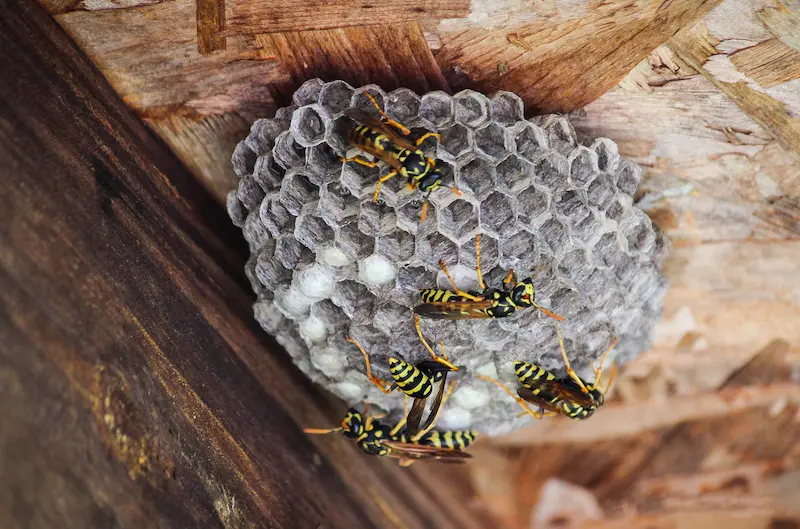
Wasp nest in the eves of a home.

Defend Your Property Against Stinging Insects

Defend Your Property Against Stinging Insects

Stinging insects such as bees, hornets, and wasps aren't just annoying; they can pose a real threat. For those with allergies, even one sting can be life-threatening. If anyone in your household is vulnerable, taking preventive steps is essential for their safety. If you're allergic to stinging insects, spending time in your own yard can be stressful. These pests can seem unpredictable, making even short outdoor activities feel risky. While you can’t manage every outdoor space, you can take steps to protect your home. Preventive measures can help reduce bee, wasp, and hornet activity around your property. Use these proven tips to keep bees, wasps, hornets, and other stinging insects away from your home:
  • Close off all exterior entry points

  • Remove food sources that may attract them

  • Choose your plants carefully or redesign landscaping to be less inviting

  • Use essential oils or skip heavily scented items

  • Keep your yard tidy and trimmed regularly

  • Fix any plumbing leaks outdoors

  • Fill in ground holes and burrows

  • Steer clear of bold, bright colors

  • Treat or paint wood surfaces to prevent nesting

  • Routinely inspect your property and address any active nests

Let’s explore how these proven tips can effectively defend your home from stinging insects.

Top 10 Tips for Preventing Stinging Insect Nests on Your Property

Curious why bees, wasps, or hornets keep showing up? It’s simple: they’ve found the essentials they need to survive. Take away their food, water, and shelter, and your home becomes a lot less appealing. Here’s how you can begin:

1. Look For Nests

Check your home regularly for early signs of nests, especially around eaves, under decks, and near sheds or fences. Small nests are easier to manage when found early, but don’t try to remove them yourself. Because these insects can become aggressive, it’s best to call a professional.

2. Protect Wood Surfaces

Wasps and carpenter bees are drawn to raw wood for nesting and chewing. Apply paint or a protective sealant to exposed wooden areas like fences, decks, and playsets to discourage insect activity.

3. Avoid Bright Colors

Clothing and décor with bright or floral patterns can attract bees and wasps by resembling flowers. Choose muted or natural colors when outside to lower your chances of drawing their attention.

4. Fill Ground Holes

Burrowing pests like yellowjackets often use ground holes to build nests. Regularly inspect your yard and fill in burrows, low spots, or open holes with soil or gravel to prevent underground colonies.

5. Fix Water Issues

Even small amounts of standing water can attract stinging insects. Repair leaking hoses, faucets, sprinklers, and empty containers that collect rainwater to eliminate this resource.

6. Regular Yard Care

A tidy yard helps reduce places for pests to hide or nest. Mow your lawn, trim shrubs, and remove any piles of debris like branches or leaves to make the area less inviting to stinging insects.

7. Fragrance Control

Certain scents can either attract or repel stinging insects. Avoid wearing fragrant lotions or perfumes outside, and instead use deterrent oils like peppermint, clove, or lemongrass sprayed around common nesting spots.

8. Smart Landscaping

Use strategic planting to keep pests away. Add natural repellents like mint or citronella near high-traffic areas, and keep bushes and greenery trimmed to reduce nesting opportunities.

9. Remove Food Sources

Food and trash left outside can quickly bring in unwanted insects. Keep garbage sealed, clean up fallen fruit, and store food and drinks promptly to avoid attracting bees and wasps.

10. Seal Entry Points

Tiny gaps around your home can provide perfect entryways for nesting. Use caulk to seal cracks around siding, eaves, and foundations, and cover vents with mesh to keep stinging insects out.

FAQs About Bee, Wasp, and Hornet Prevention

Are all stinging insects aggressive?

The behavior of stinging insects isn’t all the same. Some, like bees, are key pollinators and sting only when necessary. Others, including yellow jackets and paper wasps, are more defensive and prone to aggression around their nests.

Are DIY treatments effective?

While DIY solutions can seem like a fast answer, they come with drawbacks. Many sprays cause insects to swarm aggressively and don’t reach the entire nest. Over-the-counter options might eliminate visible pests but usually don’t get rid of the foraging insects or the nest. Professional pest control provides a more thorough treatment and longer-lasting results, making it more cost-effective overall.

What are some precautions to take when a hive is present?

Finding a hive or nest close by can raise an alarm and should be dealt with carefully. Agitating these insects often provokes aggression. Here’s what you should know if you come across one on your property:
  • Timing: Avoid the area in the afternoon when insect activity reaches its peak.
  • Observation: Watch the nest from a safe distance during early morning or late evening, when insects tend to be less active.
  • Flight Path: Never position yourself directly between the nest and its entrance to prevent provoking the insects.
  • Safety: Keep children and pets well away from the nest to avoid accidental encounters.
  • Do Not Disturb: Avoid spraying, knocking down, or otherwise disturbing the nest in any way.
  • Expert Help: The safest and most reliable method to remove a nest is to contact a professional stinging insect exterminator.

When is the Best Time to Prevent Different Types of Stinging Insects in ?

Being aware of the active periods of different stinging insects helps you prepare your defenses more efficiently. Here’s an overview of seasonal activity and risks for common species found in : 

Bald-Faced Hornets

  • Seasonality: Bald-faced hornets usually appear in late spring and remain active until early fall, with peak activity during summer. The best time to prevent nest formation is in late spring before colonies develop.
  • Danger Level: High. These hornets aggressively guard their nests and can sting repeatedly. They become especially dangerous if hidden nests are accidentally disturbed.

Bumblebees

  • Seasonality: Bumblebees emerge in mid-to-late spring and stay active through summer into early fall. Prevention efforts are most effective in spring, especially near common nesting sites like sheds or underground burrows.
  • Danger Level: Low to moderate. Bumblebees are mostly docile and sting only when provoked. However, their sting can be painful and pose a risk to those with allergies.

Carpenter Bees

  • Seasonality: Carpenter bees typically emerge in early spring, around March or April in , and stay active until late summer. Early spring is the ideal time to prevent nesting by treating or sealing exposed wood. Sealing old boreholes is best done in late summer when activity slows.
  • Danger Level: Low. Male carpenter bees may buzz near people but lack stingers. Females can sting but rarely do unless provoked. Carpenter bees mainly threaten property by burrowing and damaging wood structures like decks, fences, and eaves.

Honey Bees

  • Seasonality: Honey bees begin activity in early spring as temperatures rise, usually from March or April, and continue through late fall. The best time for prevention is early spring before swarming begins.
  • Danger Level: Moderate. Honey bees tend to be calm and focused on pollination but will protect their hive aggressively if threatened. They can sting multiple times, which is dangerous for allergic individuals.

Paper Wasps

  • Seasonality: Paper wasps start activity in early spring when queens emerge to build nests. Colonies grow through summer and decline in fall. Early spring is the best time to prevent infestations by stopping queens before nest building starts.
  • Danger Level: Moderate to high. Paper wasps are generally less aggressive than yellowjackets but will defend their nests if disturbed. Their sting is painful and may cause allergic reactions.

Yellowjackets

  • Seasonality: Yellowjackets appear in late spring and remain active through summer, peaking in late summer and early fall. The optimal prevention window is late spring to early summer before colonies mature.
  • Danger Level: Very high. Yellowjackets are extremely aggressive and fiercely defend their nests. They can sting repeatedly and often chase perceived threats. Their attraction to food and drinks makes them a serious concern during outdoor events.

Need Help with a Stinging Insect Problem?

With extensive experience, our stinging insect control experts efficiently find and eliminate nests while keeping your family safe. We apply reliable techniques that guarantee long-term protection. Reach out to Arrow Environmental Services for a thorough inspection and ensure your outdoor spaces are protected.
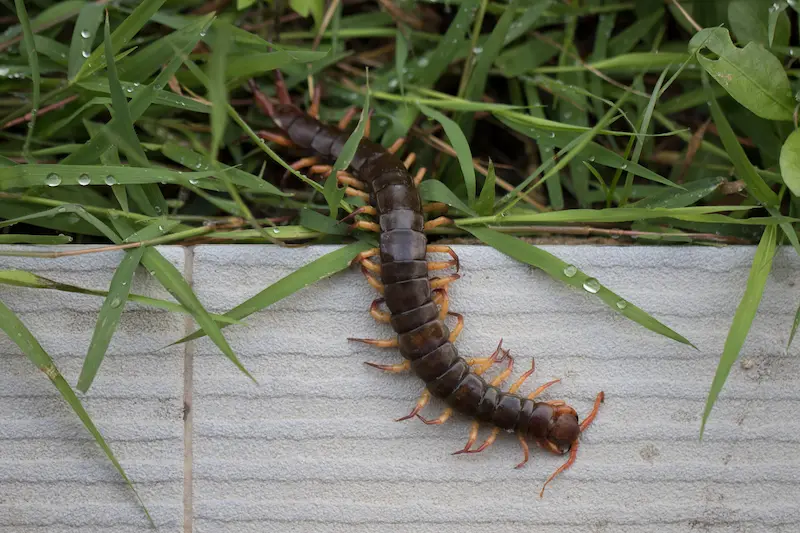
Closeup of a Florida centipede crawling on a garden wall, from a grassy area

Why Are House Centipedes Crawling Into Your Home?

Why Are House Centipedes Crawling Into Your Home?

With their long legs and lightning speed, house centipedes are hard to ignore once you’ve seen them. These unsettling creatures (also known as Scutigera coleoptrata) may not sting or bite, but their unexpected intrusions can still be unpleasant. If you’ve seen one dash across the floor, you’re likely wondering, “What are they doing here?” and “Should I be concerned?” The truth is, they’re not trying to scare you, they’re just searching for the basics: food, water, and a place to hide. If your home supplies all three, it’s an open invitation for centipedes looking to settle in. Here’s what’s drawing them inside, and what you can do to stop it.

How Centipedes Get Indoors

House centipedes don’t plan on making you uncomfortable, they’re simply acting on instinct. These nocturnal predators spend their evenings hunting and their days resting in cool, dark crevices. To get inside, they use whatever openings they can find: cracks in your foundation, loose-fitting windows, wall gaps, or uncovered vents. Once they’re in, they head straight for spots with food, moisture, and shelter, exactly what they need to thrive.

Following the Food Chain Indoors

Centipedes often start their lives in your yard, hiding out in shady garden beds, moist mulch, or under rocks. But when food becomes scarce outside, or prey ventures too close to your walls, centipedes won’t hesitate to follow. While they do help by hunting other bugs, their arrival usually means something else is already living in your home. In many cases, house centipedes are not the root problem, but a sign that another pest infestation is hiding from you. So, what do they like to eat? These predators feast on a wide range of insects, such as:
  • Ants
  • Bed bugs
  • Cockroaches
  • Crickets
  • Earwigs
  • Moths
  • Silverfish
  • Spiders
  • Termites
  • And many more

They Prefer Damp Environments

Moisture is another major draw for house centipedes. Outdoors, they seek damp places like rotting wood, shaded mulch, and leaf piles. Indoors, they’re likely to turn up in crawl spaces, basements, bathrooms, or anywhere humidity levels are high. Even a few persistently damp areas can create the perfect indoor habitat. To cut down on moisture, try these strategies:
  • Repair outdoor leaks: Check faucets and hoses to prevent water from saturating the soil.
  • Maintain gutters: Clean them regularly and ensure water drains away from your foundation.
  • Improve drainage: Prune dense plants so rainwater can dry out properly.
  • Monitor indoor humidity: Use dehumidifiers in musty rooms, and make sure bathrooms and laundry spaces are ventilated.

Hiding Spots Make Them Want to Stay

Thanks to their nature, house centipedes avoid light and prefer quiet, undisturbed places to rest. Clutter inside and out gives them endless options for shelter. If you want to make your home less welcoming, reducing hiding places is a smart strategy, along with closing off the ways they get in. Use these simple steps to discourage them:
  • Organize firewood: Stack it neatly and elevate it off the ground to avoid attracting pests.
  • Declutter the yard: Remove unused items like tools, materials, or furniture that offer shelter.
  • Collect outdoor toys: Don’t leave toys or play items on the lawn, they trap moisture and invite bugs.
  • Rake regularly: Wet leaves are breeding grounds for the insects centipedes like to hunt.
  • Keep the lawn trimmed: Cut grass and remove weeds to limit insect activity.
  • Seal openings: Patch cracks in your home’s exterior, repair screens, and fill gaps around windows and pipes.
  • Fix door and window gaps: Even tiny spaces are enough for a centipede to sneak through.

House Centipede Problems Start Outdoors

Despite their name, house centipedes don’t originate indoors, they usually begin their journey outside. These arthropods prefer cool, damp spots sheltered from sunlight and predators. Common outdoor habitats include leaf piles, garden mulch, decaying wood, and the undersides of rocks or bricks. One area they especially favor is the soil near your home’s foundation. This zone tends to stay moist and shaded and often supports insect populations that centipedes hunt. Once they’re established there, it’s a short trip indoors, especially when the weather turns hot or dry. If you’re trying to prevent centipedes from coming inside, the best place to start is your yard. Here are a few places they often hide:
  • Garden beds and ornamental plants: These attract small insects like mites and aphids that centipedes like to eat.
  • Landscaping stones and bricks: Check underneath, bugs often gather there, making it a perfect feeding ground.
  • Improperly sealed garbage bins: Rotting waste brings flies and spiders, which draw in centipedes looking for a meal.
If your yard is cluttered and holds moisture, it’s more than just appealing to pests, it’s practically a welcome mat.

Should You Be Concerned If You See a House Centipede?

They may look a bit scary, but house centipedes generally don’t pose a threat. These creatures aren’t aggressive and will usually run away when disturbed. They won’t go out of their way to bite or sting. Still, handling one directly isn’t a good idea. Like other centipedes, they have venom, but it’s designed for subduing small insects. If picked up or threatened, they may use their front legs to deliver a pinch. The sensation is often described as similar to a bee sting, sharp but short-lived. However, people with allergies to insect venom may have a more serious reaction. Symptoms like swelling, trouble breathing, or dizziness after a bite should be treated as a medical emergency. While most adults experience little more than mild irritation, young children and pets may be more sensitive. Keeping them away from centipedes is always the smarter move.

What Makes House Centipedes Unique?

Not all centipedes are the same, and the house centipede is easy to identify once you know what to look for. Here’s how they stand out from other species:
  • Legs: Their long, delicate legs give them a wispy, almost spider-like appearance.
  • Leg count: They have 15 pairs, fewer than many other species, which may have 21 or more.
  • Speed: House centipedes are incredibly fast, reaching speeds up to 1.3 feet per second.
  • Color: They’re typically grayish-yellow with three dark stripes running down their backs.
  • Antennae: Thin and long, their antennae help them navigate tight or dark areas.
  • Behavior: Unlike some of their more aggressive cousins, house centipedes are shy and avoid contact.
  • Venom: Their venom is relatively weak compared to tropical centipedes and rarely causes serious reactions.

Tired of Centipedes Popping Up Indoors?

If you’ve seen one dart across the floor, chances are it’s not alone, and neither are the bugs it’s hunting. House centipedes typically show up when there’s a steady supply of prey, meaning a bigger pest problem may be hiding in plain sight. To break the cycle, you need more than just a temporary fix. A professional pest inspection can uncover the real reason centipedes are choosing your home. Our team can check for signs of insect activity, identify hiding spots, and create a strategy tailored to your property. Get in touch today to book your inspection and show those centipedes the door, for good.

A giant wasp nest in a a shed

How to Identify Different Types of Wasp Nests

How to Identify Different Types of Wasp Nests

Many people mistakenly believe that all wasps build large, complex hives, but in reality, each species constructs a different kind of nest. Here in , we see wasps fairly often during the summer months. For the most part, these insects are harmless and play an important role in our environment. However, they can become a nuisance when they build nests on or near your property. Some stinging insects are especially aggressive when protecting their nests. Learning to identify different wasp nests is essential during the warmer months. Read on for helpful advice from Arrow Environmental Services!

Nests Built By Different Wasps

Wasp nests consist of multiple cells containing wasps or eggs, but their outer appearance differs. Here’s a breakdown of the primary characteristics:
  • Paper Wasps: Their nests are known for resembling upside-down umbrellas. Usually open and fairly large, these nests hang from a single stalk and are made from a paper-like substance.
  • Yellowjackets: Constructed from a papery material, these nests feature a single entrance. Inside, yellowjacket nests can have as many as 100 layers of cells. Some species also create massive underground nests.
  • Bald-Faced Hornets: Typically found at least three feet above ground, these nests are built from wood fibers chewed and mixed with saliva. They often reach sizes comparable to a football or basketball.
  • Mud Daubers: Female mud daubers craft their nests from mud, forming small, tubular structures that resemble organ pipes. These nests are commonly located in cracks or crevices.

Wasp Nest Locations in

Wasps create various types of nests, and they aren’t always found in trees! Paper wasps often nest under eaves, inside attics, wall voids, and other sheltered spots. Yellowjackets prefer areas near the ground, such as hollow trees or beneath porches. Bald-faced hornets usually build nests in trees, bushes, or wooded spaces. Mud daubers, and solitary wasps, make their nests in protected places that shield their eggs from rain. Overall, wasp nests can appear in many different locations around your property.

How to Get Rid of a Wasp Nest Safely

Generally, it’s wise to avoid wasp nests found on or close to your property. These nests often contain stinging insects that can sting multiple times, posing serious risks, especially for those allergic to stings. Disturbing a nest can trigger aggressive behavior and increase the chances of getting stung. For your safety, it’s best to call the professional wasp removal experts at Arrow Environmental Services if you spot a nest nearby.
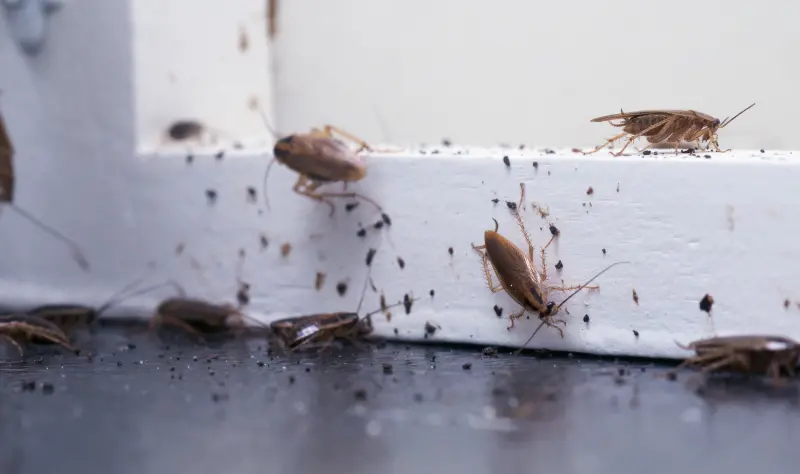
German cockroach infestation in Florida home. Contact Arrow Environmental Services to get rid of German cockroaches for good.

Effective Strategies to Keep German Cockroaches Away

Effective Strategies to Keep German Cockroaches Away

German cockroaches are notorious for invading homes, often causing anxiety and distress for homeowners. These small, brownish-tan pests are not only fast but also exceptionally difficult to control when compared to their larger relatives, like American or smokybrown cockroaches. The sight of a few large roaches may be unsettling, but the sheer horror of witnessing a swarm of tiny German cockroaches scurrying across your kitchen can be quite overwhelming. This is why it’s important to take proactive steps to prevent their presence in your home. What makes German cockroaches particularly challenging is their ability to squeeze into tiny gaps, hide in obscure locations, and reproduce at alarming rates. A single female can produce multiple egg cases, each containing 30 to 50 nymphs. Given their rapid reproductive cycle and stealthy nature, it’s crucial to implement preventive measures before they establish a foothold in your living space. Before we delve into the specifics of their origins and treatment, here are some essential tips for preventing German cockroach infestations:
  • Remove food, crumbs, and sticky spills immediately.
  • Keep drains clear of food debris.
  • Fix leaks and eliminate standing water.
  • Inspect deliveries, grocery bags, and packages carefully.
  • Discard or recycle unnecessary cardboard and paper.
  • Avoid using over-the-counter sprays that can scatter roaches.
  • Ensure outdoor trash and recycling bins are tightly closed.
  • Enroll in a regular pest control service.

The Importance of Preventing German Cockroaches

German cockroaches reproduce at an alarming rate. A single female can lay multiple egg cases throughout her life, each containing dozens of eggs. This means that even one roach can lead to an overwhelming infestation in a matter of months, potentially leading to health issues through allergens and food contamination. Adopting preventive habits can effectively break the cycle before it escalates, making it far easier to avoid German cockroach problems than it is to eradicate them once they appear.

Where Do German Cockroaches Come From?

Unlike many cockroach species that can be found outdoors, German cockroaches are predominantly indoor dwellers. They rarely wander in from the outside, instead relying on various means to hitch a ride into your home. Common sources for German cockroach infestations include:
  • Grocery bags and take-out containers: Just one egg capsule hidden away can lead to an infestation.
  • Second-hand appliances and electronics: Warm motors provide an ideal environment for roaches.
  • Used furniture and cardboard boxes: Items like mattresses, dressers, and file cabinets can harbor roaches.
  • Shared walls in multi-family residences: Apartments and condos can be particularly susceptible, as these pests move easily through gaps around plumbing and electrical installations.

Signs of a German Cockroach Infestation

If you suspect that German cockroaches have invaded your home, here are some signs to look for:
  • Small, pepper-like droppings in the corners of cabinets.
  • Oval egg cases attached to cardboard or hidden in dark corners.
  • A musty or oily odor.
  • Spotting a small roach (which are not baby roaches).

Comprehensive Tips for Preventing German Cockroaches

Let’s explore each prevention strategy in greater detail:
  • Clean food residues immediately. Roaches thrive on crumbs and spills. Wipe down surfaces, move appliances for thorough cleaning, and vacuum floors daily. Weekly mopping helps eliminate any lingering sugary residues.
  • Maintain your drains and garbage disposal. Regularly flush your disposal with hot water and dish soap. Monthly, pour half a cup of baking soda followed by one cup of vinegar down the drain, allowing it to foam before rinsing with boiling water. This helps eliminate grease and food particles that attract roaches.
  • Repair leaks and control moisture. Address dripping faucets and leaky pipes promptly. Regularly dry sinks and empty drip pans, and consider using a dehumidifier in damp areas like kitchens.
  • Inspect items before bringing them inside. Thoroughly check grocery bags and boxes for signs of roaches. When purchasing used items, inspect them carefully before introducing them into your home.
  • Declutter to eliminate hiding places. German cockroaches are attracted to cardboard and paper for both nesting and food. Recycle unnecessary items and store seasonal belongings in plastic containers rather than cardboard.
  • Avoid DIY sprays. Many over-the-counter insect sprays can scatter roaches and push egg-laden females deeper into your walls. If you decide to tackle the problem yourself, monitor your progress closely and consult an exterminator if the issue worsens.
  • Seal off entry points. Use caulk to close gaps around plumbing, baseboards, and countertops. Update torn door sweeps and weather stripping to block potential entryways.
  • Call in professional pest control. If DIY methods prove ineffective, reach out for professional assistance. Experienced pest control technicians can provide tailored strategies and solutions to effectively eliminate cockroach infestations.

How to Clean Your Kitchen to Deter German Cockroaches

If you find yourself battling an infestation, your kitchen is likely the epicenter. With crumbs, sticky residues, and numerous hiding spots, it’s a paradise for German cockroaches. To combat this, it’s essential to establish a thorough daily cleaning routine that addresses food sources, moisture, and potential shelters. Focus your cleaning efforts on these critical areas:
  • Countertops and Backsplashes: Regularly degrease surfaces, paying special attention to areas around faucets and stove knobs.
  • Behind and Under Appliances: Weekly vacuuming under your refrigerator and stove can eliminate crumbs, while the fridge drip pan should be emptied every few months.
  • Cabinets and Pantry Shelves: Store dry goods in airtight containers and clean shelves monthly. Rotate items to ensure no spills go unnoticed.
  • Trash and Dumpsters: Use trash cans with tight lids and clean them regularly to prevent odors.
  • Pet Feeding Areas: Clean bowls after meals and ensure they’re rinsed before refilling.

Eco-Friendly Approaches to Preventing German Cockroaches

For those inclined towards green living, some natural methods can help in preventing cockroach infestations. The key is to remove food sources, water, and shelter, rather than relying on chemical sprays. Here are some environmentally friendly strategies to consider:
  • Natural Cleaning Solutions: Create a surface cleaner using equal parts vinegar and water, adding a splash of lemon juice for extra grease-cutting power.
  • Use Airtight Containers: Store food in glass jars instead of cardboard boxes.
  • Baking Soda for Drain Maintenance: Monthly treatments with baking soda and vinegar can keep drains clean and unattractive to roaches.
  • DIY Sticky Traps: Place non-toxic glue boards in strategic locations to catch any roaches before they become a larger problem.

Contact a Trusted German Cockroach Exterminator in

While small preventive actions can make a significant impact, you may find yourself in need of professional assistance from a professional exterminator if you notice signs of a serious infestation. At , we have over years of experience in effectively eliminating German cockroaches in . Our approach combines targeted baits, meticulous treatments, and follow-up inspections to ensure roaches stay out of your home. Don’t hesitate — reach out today to schedule your inspection and take the first step towards reclaiming your space from unwanted pests!
Florida home with professional lawn care

Lawn Care for New Homeowners in Florida

Lawn Care for New Homeowners in Florida

As you settle into your dream home, you're probably envisioning a lush, green lawn to match. But let's face it, achieving that picture-perfect yard can be a challenge, especially if you're new to 's unique climate and ecosystem. Many new homeowners find themselves overwhelmed by the intricacies of lawn care. From battling persistent pests to managing the effects of intense heat and humidity, it's easy to feel like you're fighting an uphill battle. Typically, homeowners might try to tackle this challenge on their own, spending countless weekends and hard-earned dollars on trial and error. But there's a smarter way to achieve the lawn of your dreams. At , we understand lawns inside and out. Local landscaping experts can help you navigate the complexities of lawn care, enhancing your property's value and curb appeal while saving you time and frustration.

What New Homeowners Should Know About Lawns

You need to know that 's unique climate presents both opportunities and challenges for lawn care. While our sunshine and warmth can promote rapid growth, they also create ideal conditions for pests and diseases. So watch out for:
  • Leaf spot
  • Brown patch
  • Pythium blight
  • Dollar spots
  • Root rot
  • Red thread
New homeowners often struggle to identify the specific needs of their lawn, leading to ineffective care routines and disappointing results. It's not uncommon to see patchy, discolored lawns that detract from a home's overall appeal.

6 Lawn Care Tips for New Homeowners

Maintaining a beautiful lawn in doesn't have to be a mystery. Here are six essential tips to get you started on the right foot:
  1. Test the soil.

's soil can vary greatly, even within the same neighborhood. Without knowing your soil's composition, you might be using the wrong products or techniques.
  1. Commit to a consistent lawn watering schedule.

Inconsistent watering is a common pitfall, resulting in stressed grass and increased vulnerability to pests and diseases. 's heat can quickly dry out your lawn, but overwatering can be just as harmful. Finding the right balance is crucial.
  1. Get to know your lawn pests.

's warm climate is a haven for various lawn pests, including:
  • Chinch bugs
  • Sod webworms
  • Fire ants
  • Armyworms
  • Mole crickets
  • Cutworms
Identifying and addressing these invaders early is key to maintaining a healthy lawn.
  1. Fertilize your lawn.

Proper fertilization is essential for a lush, green lawn, but it's easy to get wrong. Over-fertilizing can harm your grass and contribute to water pollution.
  1. Mow at the right height.

Mowing might seem straightforward, but the right technique can make a big difference in your lawn's health and appearance. Cutting grass too short can stress the plants and make them more susceptible to pests and diseases. 
  1. Consider lawn aeration.

's sandy soils can become compacted over time, limiting root growth and nutrient absorption. Lawn aeration can help. Aeration is the process of poking small holes in the soil so water and nutrients can be absorbed effectively (instead of sitting on top). Along with lawn aeration, provides personalized lawn care strategies based on your specific grass type, soil composition, and local climate conditions.

DIY Lawn Care VS Hiring a Professional

While DIY lawn care might seem cost-effective, it often leads to frustration, wasted time, and subpar results. 's unique lawn care challenges require specialized knowledge and equipment. You may find yourself spending more in the long run on ineffective products and tools, not to mention the opportunity cost of spending weekends battling lawn issues. At , we bring over years of local experience and professional-grade equipment to every job. Our comprehensive lawn care services save you time and effort while enhancing your property's value and your overall enjoyment of your new home. So are you ready to transform your lawn into a lush, green oasis? Book your free inspection and consultation with today by giving us a call or filling out our contact form here
a wasp in a car tries to get inside a coke bottle

Avoid Stinging Hitchhikers: How to Keep Wasps Out of Your Car

Imagine driving down the road, enjoying a beautiful summer day when suddenly you hear the distinct buzzing of a stinging insect inside your car. The fear of getting stung while driving can turn any pleasant road trip into a dangerous experience but try not to panic. Pull over as soon as you can safely. Keeping stinging insects out of your car is not only safe for you but others on the road as well. Keep reading to learn how to keep these flying nuisances out of your car!

Why Do I Have Wasps in My Car?

Wasps are attracted to cars for a variety of reasons. Understanding why stinging insects are attracted to your car can help prevent them in the future. Some reasons wasps are drawn to your car include:
  • Heat:  Wasps are cold blooded insects so the warmth radiated from cars on a hot day can turn your car into a wasp spa. Wasps may build nests inside sitting cars due to the captured heat in the interior or engine bay.
  • Location: Parking next to things that attract wasps such as flowers and garbage cans or near a wasp nest increases the likelihood of a wasp making its way into your car.
  • Sweets: Wasps love sweets. They can smell them from over 20 feet away! Leaving open sweets or drinking in your car will attract wasps to your car.
  • Open Windows: Many people will leave their windows cracked on a warm summer day. An open window is a free invitation for a wasp to hop in and take a ride!
  • Dead Insects: Most drivers know the bane of dead insects on the grill of their car. In addition to being a pain to remove, these dead insects release a pheromone that will let wasps know where to find their favorite snacks.

How to Prevent Wasps in Your Car

To keep wasps from invading your car, it is important to ensure your car is kept tidy. Remove any leftover food, especially sweets, and wash off any bugs that may have their untimely end in your grill. If wasps seem to be flocking to your car, it might be time to ditch the floral, sweet smelling air fresheners. While they make your car smell nice, the sweet scent can attract stinging insects. Instead, try using peppermint, citronella, anise or clove essential oils that will keep your car smelling nice and repel wasps.  When parked, roll up your windows and avoid parking next to areas that are known to attract wasps, such as flowering plants, trash cans, or picnic spots. If your car has been parked for a long period of time, check the engine bay, interior and trunk for any nests that may have been built while your car was not in use.  Also, check the surrounding areas for active wasp nests. Contact a professional exterminator to remove any nests you find.

Arrow Environmental Services- The Stinging Insect Experts

No one likes an uninvited hitchhiker on their Sunday drive. Finding wasps or wasp nests in your car means it is time to call Arrow Environmental services! Dealing with wasps on your own can be hazardous and leave you with painful stings. With our innovative, environmentally friendly practices, we are able to eliminate any pest problem safely and effectively. If you are having problems with wasps or any other pests around your car or home, contact Arrow Environmental Services today! Our highly trained staff are available six days a week to help identify your needs and provide the highest level of service!